
ADHD and PMDD are more intertwined than most people realize. Hormonal fluctuations can amplify ADHD symptoms, creating a perfect storm during the luteal phase of the menstrual cycle. Understanding this connection has been key to managing both conditions holistically.
If you’ve been diagnosed with ADHD, you might already be familiar with the challenges of managing focus, energy, and emotions. Add Premenstrual Dysphoric Disorder (PMDD) to the mix, and life can feel like a rollercoaster. While these conditions may seem unrelated, they are more intertwined than most people realize.
PMDD intensifies during the luteal phase of the menstrual cycle, where hormonal fluctuations create a perfect storm for amplifying ADHD symptoms. Understanding this connection is key to reclaiming balance and thriving, not just surviving. Let’s dive into how these two conditions overlap and explore actionable strategies to navigate them.
What Links ADHD and PMDD?
ADHD is characterized by differences in brain function that affect attention, impulsivity, and emotional regulation. PMDD, on the other hand, is a severe form of premenstrual syndrome (PMS) caused by heightened sensitivity to hormonal changes, particularly progesterone and estrogen.
When you combine the two:
- Hormonal Sensitivity: ADHD brains are more sensitive to fluctuations, meaning the hormonal shifts of the luteal phase can worsen focus, mood swings, and overwhelm.
- Emotional Regulation: PMDD’s hallmark mood symptoms (irritability, depression, and anxiety) compound ADHD-related struggles with emotional regulation.
- Sleep Disruptions: Both conditions can disturb sleep, especially during the luteal phase, exacerbating ADHD symptoms like forgetfulness and mental fog.
Understanding these interactions is the first step toward creating a holistic management plan.

1. Sync with Your Cycle
Cycle syncing has been a game-changer for managing my ADHD and PMDD. By aligning activities, diet, and self-care with the phases of my menstrual cycle, I’ve learned to work with my body’s natural rhythms instead of fighting against them.
Here’s a breakdown of how to sync with your cycle:
Follicular Phase (Days 1-13, Post-Period)
- What’s Happening: Estrogen rises, boosting energy, focus, and creativity.
- How I Adapt: This is the time for brainstorming, planning, and tackling creative projects. ADHD symptoms are typically more manageable during this phase.
- Action Tip: Schedule high-focus tasks and goal-setting during this phase.
Ovulation Phase (Days 14-15)
- What’s Happening: Estrogen peaks, and you may feel more social and confident.
- How I Adapt: I use this time to engage in social events, networking, or group activities that demand high energy and communication.
- Action Tip: Capitalize on your natural confidence by scheduling meetings, presentations, or collaborative tasks.
Luteal Phase (Days 16-28, Pre-Period)
- What’s Happening: Progesterone rises and then falls, leading to PMDD symptoms for those who are sensitive. ADHD symptoms can feel heightened, with increased emotional sensitivity and brain fog.
- How I Adapt: I prioritize self-care, reduce my workload, and focus on restorative activities like yoga, journaling, or meditation.
- Action Tip: Give yourself permission to slow down. Break tasks into smaller steps to accommodate reduced energy and focus.
Menstrual Phase (Days 1-7, Period)
- What’s Happening: Hormones reset, and your body enters a phase of renewal.
- How I Adapt: I reflect on the past month, rest deeply, and plan for the next cycle. This is my “reset” phase.
- Action Tip: Use this time to rest and recharge. Reflect on what worked well and what didn’t during the previous cycle.
Why Cycle Syncing Works for ADHD and PMDD
Cycle syncing helps you predict when ADHD and PMDD symptoms are likely to flare up, empowering you to plan accordingly. Instead of feeling blindsided by emotional or cognitive challenges, you’ll learn to navigate them with greater ease.
Additional Tips for Managing ADHD and PMDD
- Track Your Symptoms: Use an app or journal to monitor your cycle and note how your ADHD symptoms fluctuate. Over time, patterns will emerge, making it easier to anticipate and manage challenges.
- Balance Blood Sugar: Hormonal fluctuations can wreak havoc on blood sugar levels, which in turn impacts ADHD symptoms. Eat balanced meals with protein, healthy fats, and fiber to stabilize energy and mood.
- Prioritize Sleep: Both ADHD and PMDD can disrupt sleep, especially during the luteal phase. Establish a calming bedtime routine, avoid screens an hour before bed, and consider supplements like magnesium to improve sleep quality.
- Practice Mindfulness: Meditation and mindfulness are powerful tools for managing emotional dysregulation. Try guided meditations (you can find mine on Spotify) to ground yourself during challenging phases of your cycle.
- Seek Support: Whether it’s a therapist, coach, or supportive friend, having someone to lean on during difficult phases can make all the difference.
The Power of Awareness
By understanding the connection between ADHD and PMDD, you can transform what feels like chaos into a well-orchestrated rhythm. Cycle syncing isn’t just about managing symptoms—it’s about embracing the ebb and flow of your body’s natural cycles and living in harmony with them.
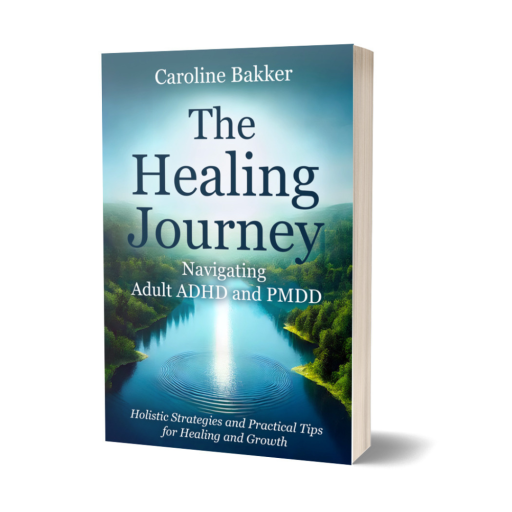
For a deeper dive into how ADHD and PMDD intersect, plus actionable strategies to take control of your health, check out my book, The Healing Journey: Navigating Adult ADHD and PMDD. It’s filled with insights, tools, and hope to help you thrive.
What’s one way you can start syncing with your cycle today? Let me know in the comments—I’d love to hear how these strategies work for you!

