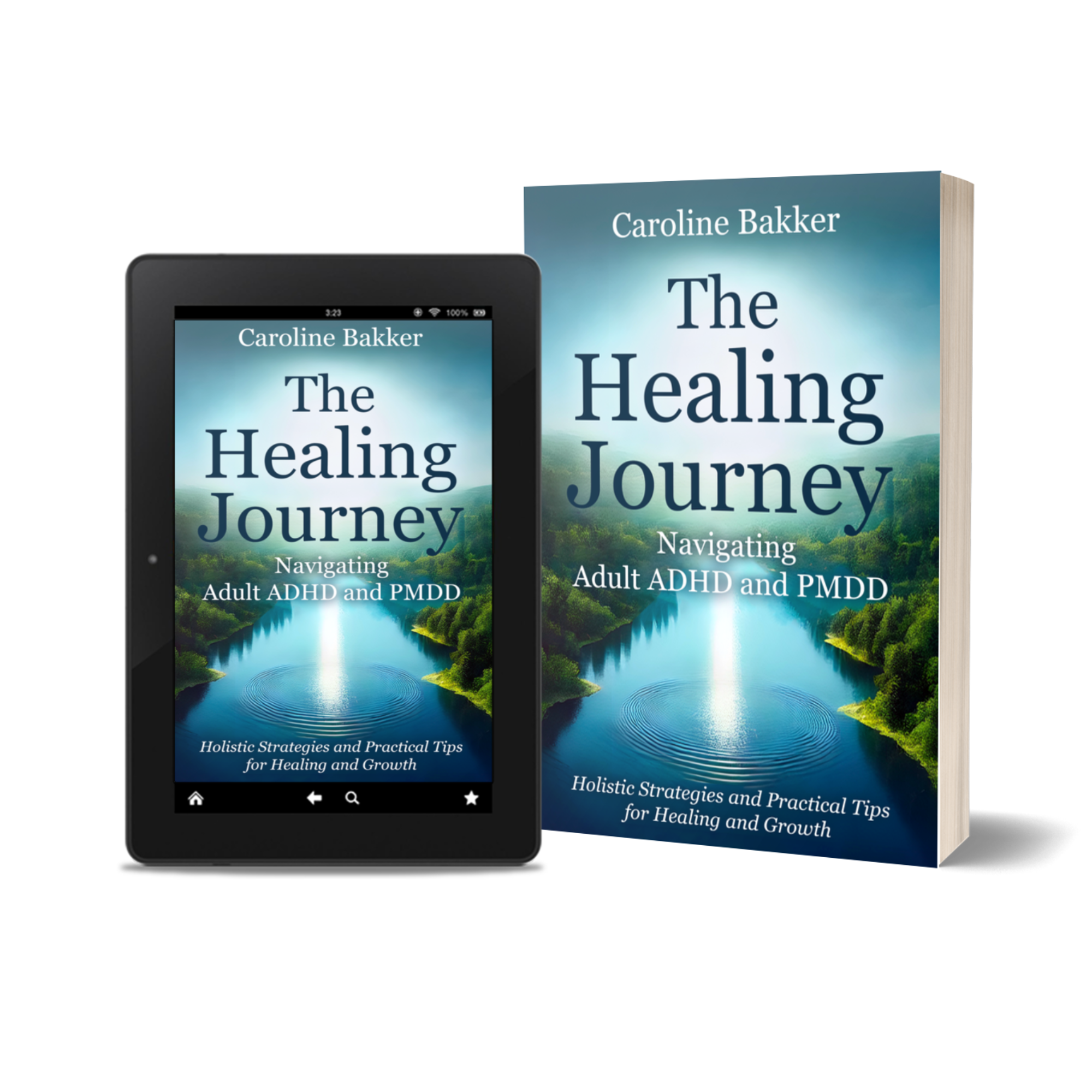
Healing Journey:
In moments of pain, loss, or profound change, many turn to books as a source of solace and guidance. Whether dealing with personal trauma, navigating a period of self-discovery, or simply seeking comfort, the written word holds an unparalleled power to heal. Books for a healing journey do more than provide entertainment; they offer tools for recovery, pathways for reflection, and a shared connection to the human experience.
Understanding the Concept of Bibliotherapy
The idea of using books as a form of therapy, known as bibliotherapy, dates back centuries. Bibliotherapy is the practice of reading specific texts to support mental, emotional, or spiritual healing. This approach combines psychology and literature, recognizing the transformative potential of stories and insights to help individuals process emotions and build resilience.
Whether it’s reading a memoir that mirrors personal struggles or delving into fiction that offers escapism, bibliotherapy underscores the importance of intentional reading as a pathway to growth and recovery.
Why Books Are Effective Tools for Healing
Books provide a unique form of healing because they allow readers to engage at their own pace and on their terms. Here are a few reasons why they are so effective:
- Safe Exploration of Emotions Books creates a safe space for readers to explore complex emotions. Characters and narratives often mirror feelings of grief, anxiety, or hope, helping individuals identify and process their own emotions.
- Shared Human Experience Reading stories of others who have faced similar struggles fosters a sense of connection. This shared experience reassures readers that they are not alone in their journey.
- Empowerment Through Knowledge Self-help and educational books equip readers with tools and strategies for coping and moving forward, empowering them to take control of their healing process.
- Escapism and Mental Relief Fiction offers a temporary escape from reality, providing mental relief from stress while still allowing reflection and insight through metaphor and symbolism.

Types of Books That Aid in Healing
Healing journeys are deeply personal, and the types of books that resonate vary from person to person. However, several categories are widely recognized for their therapeutic potential:
- Memoirs and Autobiographies Personal accounts of overcoming adversity can be incredibly inspiring. Books like Viktor Frankl’s Man’s Search for Meaning or Elizabeth Gilbert’s Eat, Pray, Love offer relatable insights into resilience and self-discovery.
- Self-Help and Wellness Guides Practical advice and exercises in books like Brené Brown’s The Gifts of Imperfection or Mark Manson’s The Subtle Art of Not Giving a Fck* provide readers with actionable tools for healing.
- Fiction and Poetry Creative works often articulate emotions that readers struggle to express themselves. Novels like Haruki Murakami’s Norwegian Wood or poetry collections such as Rupi Kaur’s Milk and Honey touch on themes of loss, love, and growth.
- Spiritual and Philosophical Texts For those seeking deeper meaning, books like Pema Chödrön’s When Things Fall Apart or Paulo Coelho’s The Alchemist offer profound insights into life’s challenges and transformations.
How to Choose the Right Book for Your Healing Journey
Selecting the right book can be a critical step in your healing journey. Consider the following:
- Identify Your Needs Reflect on what you’re seeking from the book—comfort, guidance, distraction, or empowerment. This clarity will help you choose a genre or topic that aligns with your current state.
- Seek Recommendations Trusted friends, therapists, or online communities can provide recommendations based on your unique circumstances.
- Start Small If you’re unsure where to begin, choose a shorter book or anthology. This approach makes the process feel less overwhelming.
- Trust Your Instincts Sometimes, a book resonates simply because it “feels right.” Follow your intuition when making your selection.
Practical Ways to Incorporate Healing Through Reading
Reading for healing isn’t just about picking up a book; it’s about engaging with the content in meaningful ways. Here’s how to maximize the therapeutic benefits:
- Journaling Your Thoughts Keep a journal to record reflections and emotions that arise while reading. This practice deepens your connection to the material and provides a space for further self-expression.
- Creating a Reading Ritual Set aside dedicated time for reading in a comfortable, quiet space. This routine creates a sense of stability and mindfulness.
- Engaging in Discussion Joining a book club or sharing insights with friends can enhance understanding and provide additional perspectives.
- Applying Lessons Look for ways to apply the lessons and strategies from the book in your daily life, turning insights into actionable changes.
The Role of Libraries and Bookstores in Healing
Libraries and bookstores are more than just places to find books; they are havens for healing. Many institutions now curate special collections or host events focused on mental health and wellness. From bibliotherapy kits to author talks, these spaces play a vital role in connecting individuals to the resources they need.
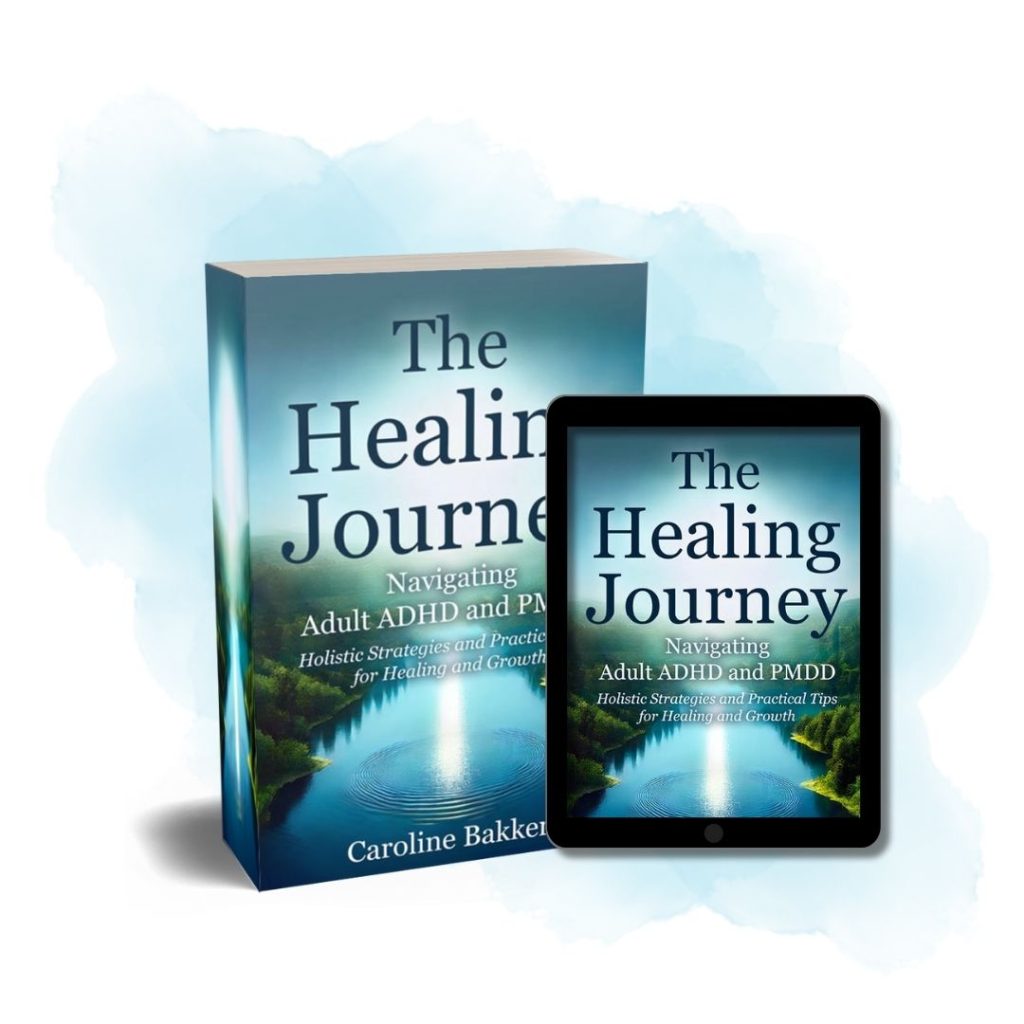
Stories That Inspire: Real-Life Examples
Countless individuals have found solace and transformation through books. For instance, readers of Cheryl Strayed’s Wild often share how the book motivated them to face their own fears and embrace change. Similarly, those who turn to books like Mitch Albom’s Tuesdays with Morrie frequently report a renewed appreciation for life and relationships.
The Science Behind Reading and Healing
Scientific studies back the idea that reading promotes emotional and psychological well-being. Research has shown that reading can:
- Reduce stress levels by up to 68%.
- Enhance empathy by helping readers understand different perspectives.
- Improve mental agility and focus, which are critical for coping with challenges.
Conclusion: Embracing the Journey
The healing journey is a deeply personal and evolving process, and books are invaluable companions along the way. They offer wisdom, empathy, and inspiration, guiding readers through reflection and recovery. Whether it’s a novel that resonates with your soul or a guide that provides practical steps forward, the power of words can illuminate the path to healing.
As you navigate your journey, remember that the right book at the right time can be transformative. Embrace the process, and let the power of words help you discover the resilience and strength within.

